Rising Bloodshed Casts Shadow Over Bangladesh’s First Post-Hasina Elections

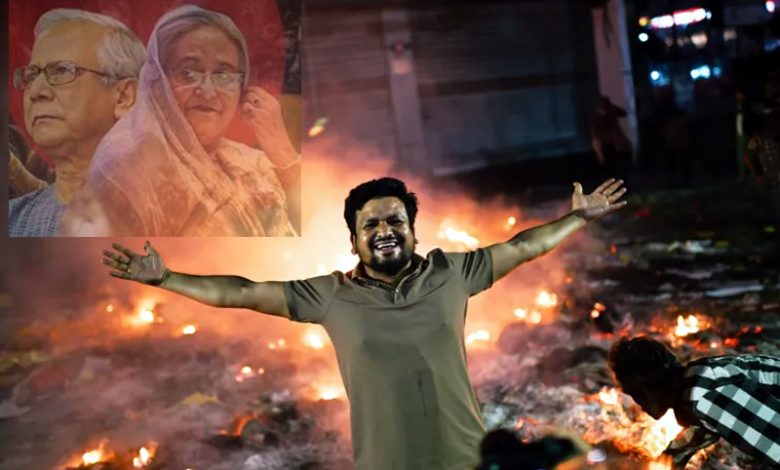
Bangladesh’s upcoming February 12 parliamentary elections are being increasingly overshadowed by a surge in political violence, reviving fears of a return to the country’s long history of bloodshed during election seasons.
At least 16 political activists have been killed since the Election Commission announced the poll schedule in December, according to local media, with shootings, threats, and clashes reported across the country. While authorities have not officially classified the killings as politically motivated, activists across party lines say fear is rapidly spreading.
The vote will be the first since former Prime Minister Sheikh Hasina was ousted in a student-led uprising in August 2024, ending more than 15 years of hardline rule. The interim government, led by Nobel laureate Muhammad Yunus, is overseeing both the elections and a broader reform process in a nation of about 170 million people, with nearly 120 million eligible voters.
Yet violence is once again defining the political atmosphere.
Among the latest victims was Hasan Mollah, a local BNP leader shot at a neighborhood election office in late January, becoming the 16th activist killed since December. Days earlier, Jamaat-e-Islami leader Anwarullah was killed at his home in Dhaka, while in December, youth leader Sharif Osman Hadi — a prominent face of the 2024 protests — died after being shot by motorcycle-borne gunmen.
Rights groups say most of the victims were linked to the Bangladesh Nationalist Party (BNP), though members of Jamaat and even the now-banned Awami League’s youth wing have also been killed. Several of the murders involved firearms, raising concerns about thousands of weapons looted during the 2024 unrest that remain unrecovered.
Alongside the killings, at least 62 election-related clashes have been recorded nationwide, according to the Human Rights Support Society.
A familiar cycle of election violence
Bangladesh has a long and painful record of bloodshed around elections. Monitoring groups recorded dozens of deaths during past polls, including more than 140 around the contested 2014 election and widespread violence in 2018. Analysts say these memories are fueling public anxiety as the country heads into its first genuinely competitive vote in years.
Rivalries within parties add to tensions
In several constituencies, violence is not only between political blocs but within them. Dozens of BNP candidates are running as independents against party nominees, leading to threats, intimidation, and clashes among rival supporters — a pattern observers say often increases the risk of bloodshed.
Local media have reported multiple incidents in recent days where supporters of competing BNP candidates fought openly, leaving scores injured.
BNP and Jamaat confrontations spill into public spaces
Tensions between the BNP-led alliance and Jamaat-e-Islami’s coalition are also intensifying. In Dhaka’s Mirpur area, clashes between activists from both sides injured several people even before formal campaigning began, prompting residents to express fear about voting day.
Both parties accuse each other of intimidation, obstruction of campaigns, and spreading disinformation, while criticizing the Election Commission for failing to act firmly.
Heavy security deployment as fears grow
Authorities say they are tightening security nationwide. About 900,000 personnel — including more than 108,000 military members — will be deployed from February 8 to 14. More than half of the country’s polling stations have been labeled “risky” and will receive extra protection.
Police officials insist the situation remains under control and that all incidents are being treated as criminal acts regardless of political affiliation. The Election Commission has promised “robust security measures” to ensure a peaceful vote.
Still, clashes continue to be reported almost daily, even as officials brief diplomats on preparations.
A fragile moment for democracy
From exile in India, Sheikh Hasina has urged supporters to overthrow the interim government, injecting further tension into an already volatile political climate.
Election watchdogs warn that rising intolerance and violence could undermine the credibility of the vote.
“The real challenge,” said civic leader Badiul Alam Majumdar, “is whether official assurances can overcome fear rooted not only in current events, but in history.”
As Bangladesh prepares to return to the polls, many voters say they want nothing more than a peaceful election — but growing bloodshed suggests the country’s troubled electoral past may not yet be behind it.