The execution of two Bangladeshi citizens on 14 October 2026 has drawn international attention to Saudi Arabia’s Shariah-based legal system, the sanctity of Islamic places of worship and questions surrounding judicial transparency.
Saudi Arabia executed two Bangladeshi nationals, Nazrul Islam Abdul Basir and Suety Akhter, also identified as Siti Akhtar, on 14 October 2026 after their conviction for what Saudi authorities described as an immoral or indecent act inside a mosque in the holy city of Makkah.
The Saudi Ministry of Interior announced that the two individuals had been arrested following an investigation by security authorities. Their case was subsequently referred to a competent court, which found them guilty and imposed death sentences under the kingdom’s legal framework.
According to the ministry, the sentences reflected the seriousness of the offence and the violation of the sanctity of the location. The judgments became final after review by the relevant judicial authorities, followed by a royal order authorizing their implementation.
However, the official announcement did not disclose the precise nature of the alleged misconduct, identify the mosque involved or provide detailed evidence presented during the proceedings.
Religious Significance of Makkah and the Sanctity of Mosques
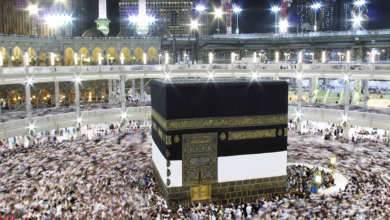
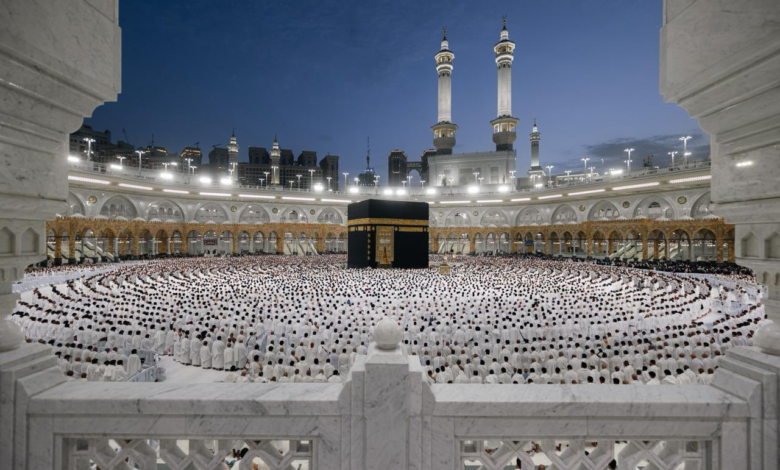
Makkah occupies an exceptionally important position in Islam as its holiest city and the location of the Kaaba, toward which Muslims worldwide direct their prayers.
Mosques serve as places of worship, religious education, spiritual reflection and community engagement. Islamic teachings emphasize respectful conduct, modesty and the preservation of their religious sanctity.
The Holy Quran states in Surah Al-Jinn (72:18) that mosques belong to Allah, highlighting their sacred character in Islamic belief.
From an Islamic ethical perspective, behaviour that disregards the dignity of a mosque is considered a serious religious concern. Saudi authorities explicitly referred to the sanctity of the location when explaining their decision to enforce the sentences.
Nevertheless, the ministry did not establish publicly that the incident occurred specifically inside Masjid al-Haram. Any such identification requires independent confirmation.
Respect for Islamic sacred spaces remains an important religious principle, but evaluating the legal justification for a particular punishment requires knowledge of the actual charges, evidence and judicial findings.
Understanding the Shariah-Based Legal Framework
Saudi Arabia’s criminal justice system draws extensively upon Islamic jurisprudence, including principles relating to public morality, criminal responsibility and the protection of religious institutions.
The two Bangladeshi nationals were reportedly sentenced under ta’zir, a category of punishment that permits judicial discretion in circumstances where a fixed penalty is not prescribed for the specific offence.
Unlike certain prescribed punishments under classical Islamic criminal jurisprudence, ta’zir allows judicial authorities to consider the circumstances and gravity of an offence within the applicable legal framework.
Saudi officials described the punishment as consistent with their responsibility to uphold Islamic law, maintain public order and protect places of worship.
However, interpretations concerning the permissible scope and severity of discretionary punishments differ among Islamic legal scholars.
Consequently, the executions should be understood as decisions made within Saudi Arabia’s judicial system rather than as punishments uniformly required by every interpretation of Islamic law.
Bangladesh Raises Questions Over Judicial Proceedings
The executions also generated diplomatic concerns in Bangladesh, particularly regarding notification procedures and access to information about the proceedings.
The Bangladesh Consulate General in Jeddah stated that it had not received advance notification of the executions.
Bangladeshi authorities subsequently approached Saudi officials requesting clarification about the charges, court judgments and circumstances surrounding the implementation of the sentences.
Reporting published after the executions introduced additional questions about the individuals’ detention history.
According to a confidential diplomatic memorandum reported by The Daily Star, both individuals had been detained since August 2023. Consular records reportedly referred to separate allegations, raising questions about how those earlier records related to the offences identified in the execution announcement.
These discrepancies do not independently establish errors in the Saudi judicial proceedings. They do, however, demonstrate why access to the court documents is necessary for an informed understanding of the case.
Misinformation Complicates Public Understanding
The executions also became the subject of misleading social media claims.
Various posts circulated photographs and videos allegedly depicting the individuals or the circumstances surrounding their punishment. Independent fact-checkers subsequently identified several visuals as unrelated, misleading or manipulated.
Some online accounts also presented unsupported descriptions of the alleged misconduct as established facts.
The Saudi Ministry of Interior had not publicly disclosed sufficient details to substantiate those additional claims.
Such misinformation risks misrepresenting both the individuals involved and the circumstances of the judicial decision.
Responsible reporting must distinguish between verified official statements, allegations and information that remains unavailable to the public.
Religious Respect, Justice and Public Accountability
The case demonstrates the importance Saudi Arabia attaches to preserving the sanctity of mosques and enforcing its religiously informed legal framework.
At the same time, the application of capital punishment raises consequential questions about judicial transparency, legal representation, evidentiary standards and proportionality.
These concerns are particularly significant when foreign nationals face irreversible sentences and their governments seek information about the legal proceedings.
Islamic legal traditions emphasize justice alongside moral responsibility. Accordingly, respect for sacred places and scrutiny of criminal proceedings should not be treated as mutually exclusive principles.
A comprehensive assessment of the executions requires access to the specific charges, court judgments and evidence considered by the Saudi judiciary.