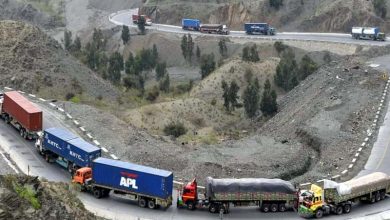
In recent days, Iran has again closed the Strait of Hormuz, attacked commercial shipping and launched missile and drone strikes against US military facilities across the region. Washington responded by striking more than 140 Iranian military targets, further weakening the fragile interim agreement between the two countries.
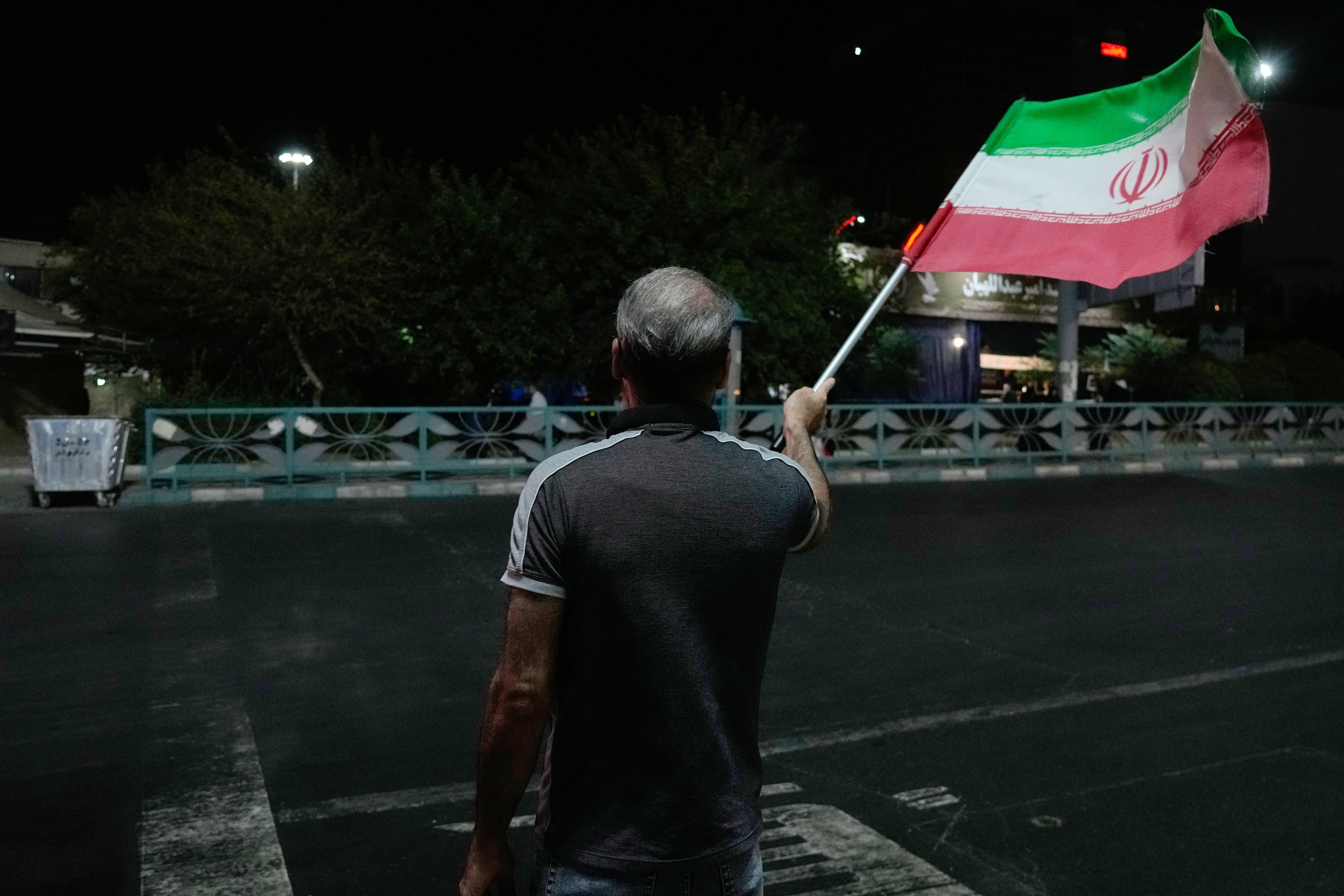 Yet Tehran has not formally abandoned diplomacy, while Pakistan and Qatar continue efforts to prevent a return to full-scale war. This simultaneous use of military escalation and negotiation reflects the central contradiction shaping post-Khamenei Iran: a leadership that appears more pragmatic in diplomacy but remains determined to preserve strategic leverage through force.
That contradiction raises a larger question examined in this article: has Iran’s leadership genuinely moved beyond Ali Khamenei’s ideological rigidity, or has it simply adopted a more calculated combination of negotiation, resistance and military pressure?
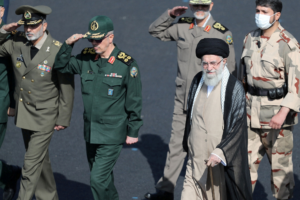 For decades, Iran’s hard-line conservative establishment was widely regarded as the greatest obstacle to better relations between Tehran and the Western world. Its hostility towards the United States, opposition to diplomatic compromise and insistence on preserving the ideological character of the Islamic Republic repeatedly brought Iran into confrontation with Washington and its allies.
The war launched by the United States and Israel against Iran appeared to be based on the same assumption: that meaningful change in Tehran could only come through the removal of the country’s existing leadership. During the conflict, US President Donald Trump repeatedly spoke about the possibility of regime change. He continues to argue that Iran’s old leadership was effectively eliminated during the war and that the officials now negotiating with Washington represent a new political order.
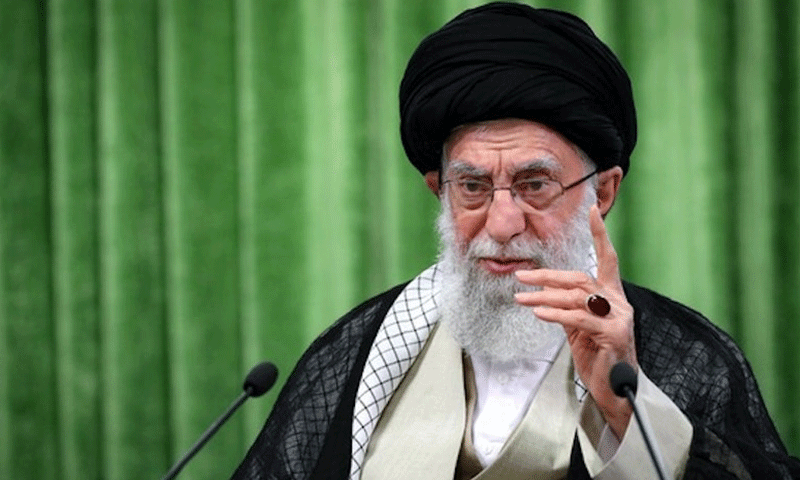
The most significant casualty of the conflict was Iran’s Supreme Leader, Ayatollah Ali Khamenei, who was killed on 28 February. His hostility towards the United States and the wider Western world was well known. For decades, he remained the most powerful figure in Iran, exercising decisive influence over its political institutions, security establishment, nuclear policy and foreign relations.
The fighting continued in different forms for almost three months after his death. It eventually ended through negotiations mediated by Pakistan and Qatar, followed by the signing of a memorandum of understanding between Iran and the United States.
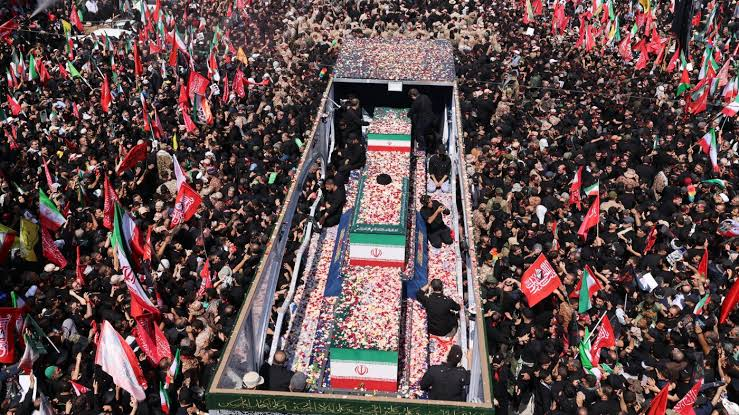
As Iran held the final funeral ceremonies for Ali Khamenei and his son, Mojtaba Khamenei, occupies the office of Supreme Leader, an important question has emerged: how much has Iran actually changed since the death of its former leader? More specifically, is the country’s new leadership genuinely interested in improving relations with the West, or has Iran merely adopted a more practical method of pursuing its old strategic objectives?
From an Ideological State to a Security-Focused System
The death of Ali Khamenei produced a visible change in the way power is exercised in Iran. Even before his killing, some of the Supreme Leader’s authority had begun shifting towards military and security institutions, particularly the Supreme National Security Council. That process accelerated after his death.
For much of the past four decades, Iran presented itself as a revolutionary religious state built around a clearly defined ideological mission. Its political identity was closely connected to the legacy of the 1979 Islamic Revolution, resistance to Western influence, support for regional allies and opposition to Israel and the United States.
The post-war Iranian state, however, appears increasingly concerned with survival, security and military stability rather than revolutionary expansion. Iran has not abandoned its religious institutions or ideological language, but its immediate priorities have changed. It now resembles a highly securitised regional power whose policies are shaped primarily by threats to the state and the need to preserve the existing political order.
This transformation does not necessarily mean that Iran has become a conventional dictatorship. The Iranian system has always contained competing centres of power, including the presidency, parliament, clerical institutions, the judiciary, the security establishment and the Islamic Revolutionary Guard Corps. After Ali Khamenei’s death, however, collective decision-making appears to have become more important.
No single figure has yet acquired the authority once exercised by the former Supreme Leader.
The Mystery Surrounding Mojtaba Khamenei
 Mojtaba Khamenei was appointed Iran’s new Supreme Leader in March. Statements attributed to him have regularly appeared in the state-controlled media, yet he has remained absent from public view.
His absence has become particularly striking because he did not publicly attend the funeral ceremonies for his father and other family members. This has encouraged speculation about his health, political authority and ability to perform the duties traditionally associated with the Supreme Leader.
Whatever the reason for his absence, the practical result is clear. Iran’s senior political and security officials are being forced to discuss competing strategies, negotiate among themselves and build a broader consensus about how the state should respond to the consequences of the war.
The leadership system that has emerged is therefore less personal than it was under Ali Khamenei. Mojtaba may formally occupy the highest office, but the day-to-day direction of the country appears to depend increasingly on the Supreme National Security Council, senior government officials, parliamentary leaders and the Revolutionary Guard.
This does not mean that Mojtaba Khamenei is politically irrelevant. Hard-line factions may still attempt to use his position to challenge other centres of power. Yet, at least for now, he does not appear capable of dominating the system in the way his father did.
Negotiating With the United States
 For decades, the slogan “Death to America” was a regular feature of political rallies supported by Iran’s hard-line establishment. Opposition to the United States was not merely a foreign-policy position; it became an important source of revolutionary legitimacy for the Islamic Republic.
The memorandum of understanding signed between Tehran and Washington therefore represents a significant departure from Iran’s traditional political behaviour. Under the agreement, the two countries are expected to hold negotiations over a period of 60 days, addressing Iran’s nuclear programme, international sanctions and other disputed issues.
Senior Iranian officials, including Parliamentary Speaker Mohammad Bagher Ghalibaf and Foreign Minister Abbas Araghchi, continue to issue strongly anti-American statements. Yet their rhetoric has not prevented them from participating in negotiations.
This apparent contradiction reflects the emerging strategy of the Iranian state. Its leaders want to preserve the language of resistance while pursuing the practical benefits of diplomacy.
Compared with Ali Khamenei, the new leadership appears less ideological and more focused on military, economic and national-security considerations. Its approach towards Washington is therefore more pragmatic. Most significantly, it has permitted direct discussions with senior American officials, something Ali Khamenei consistently resisted.
Iran is unlikely to become a close partner of the United States or Europe. It may engage with Washington when such contact offers economic relief, security guarantees or protection from further military escalation. At the same time, Tehran is likely to deepen its relationships with China, Russia, Pakistan and the states of Central Asia.
Years of sanctions, economic isolation and the collapse of the previous nuclear agreement have convinced many Iranian policymakers that the country cannot afford to rely on the West. Negotiations with the United States are therefore being treated as a practical necessity rather than a fundamental realignment of Iran’s place in the world.
A Wider Political Consensus
Under Ali Khamenei, major policy decisions were rarely possible without the approval of powerful conservative institutions. The Supreme Leader stood at the centre of the system, while the Revolutionary Guard played a crucial role in enforcing its political and strategic direction.
Hard-line factions continue to influence the debate, but they have so far struggled to prevent the new leadership from pursuing negotiations.
The current strategy appears to enjoy support from a broad coalition. Reformists, moderate factions traditionally associated with engagement with the West, and many conventional conservatives seem to agree that some form of understanding with the United States is necessary for Iran’s economic recovery.
This does not mean that Iran’s political divisions have disappeared. Factional rivalry has always been a central feature of the Islamic Republic. Hard-line organisations such as the Front of Islamic Revolution Stability continue to fight for political relevance and influence.
However, opponents of the current diplomatic direction do not appear to dominate the highest levels of government. The immediate need to rebuild the economy, end the consequences of war and prevent further attacks has created an unusual degree of agreement among otherwise competing political factions.
A new consensus is emerging around a strategy that combines negotiation with resistance.
Under this approach, Tehran will seek to obtain the practical benefits of ending the conflict while preserving strategic leverage. Iran will continue to protect its influence over the Strait of Hormuz and will approach negotiations concerning its nuclear programme cautiously and gradually. It does not intend to surrender all its bargaining power in exchange for uncertain promises from Washington.
The Continuing Power of the Revolutionary Guard
Although Iran’s traditional hard-line political factions may have lost some influence, the Islamic Revolutionary Guard Corps remains extremely powerful. In some respects, the organisation may now be stronger than it was before Ali Khamenei’s death.
Mojtaba Khamenei has historically maintained close relationships with military and security circles. Even assuming that he is alive, in good health and fully capable of exercising his responsibilities, he may not be in a position to challenge decisions taken by the Revolutionary Guard.
At the same time, the Guard should not be understood as a completely unified organisation. It contains several networks, commands and economic interests, each with its own priorities. Some factions may support negotiations if diplomacy protects the Iranian state and preserves the Guard’s institutional position. Others may regard improved relations with Washington as a threat to their political influence, economic interests or ideological identity.
The removal of Ali Khamenei has increased the influence of these internal power centres. Without a Supreme Leader capable of imposing discipline on the entire system, competition within the security establishment could become more visible.
For this reason, the Revolutionary Guard will remain central to any assessment of Iran’s future. Diplomatic agreements may be negotiated by ministers and security officials, but their survival will depend heavily on whether the most powerful sections of the Guard consider them compatible with their own interests.
Diplomacy Under the Shadow of Conflict
The memorandum of understanding has not brought an immediate end to hostility. Iranian and American officials continue to exchange threatening statements. Even while negotiations have remained active, Iran has targeted American military bases in the region, while the United States has carried out attacks against military facilities inside Iran.
These developments demonstrate the fragility of the diplomatic process. Both sides want to negotiate from a position of strength, and neither appears ready to abandon military pressure completely.
For Iran’s most uncompromising hardliners, direct negotiations with the United States represent more than a policy disagreement. They challenge one of the founding principles through which the Islamic Republic has justified its political system for decades.
Some extremist factions, including elements within the Revolutionary Guard, may therefore see diplomacy as a threat to their interests. They could attempt to sabotage negotiations through military escalation, political pressure or efforts to undermine officials supporting the agreement.
Hard-line groups may also try to bring Mojtaba Khamenei closer to their position. Their objective would be to use the authority of the Supreme Leader’s office as a political weapon against figures such as Mohammad Bagher Ghalibaf and members of the Supreme National Security Council.
Whether they succeed will depend partly on Mojtaba’s actual condition and partly on the ability of the wider leadership to maintain its current consensus.
Change Without Transformation
Iran has undoubtedly changed since the death of Ali Khamenei, but the change should not be mistaken for a complete political transformation.
The new leadership is less visibly ideological, more collective and more focused on security. It has demonstrated a willingness to negotiate directly with the United States and appears to recognise that economic recovery is impossible without some reduction in external pressure.
Yet Iran has not abandoned its strategic suspicion of Washington. It is unlikely to dismantle its nuclear infrastructure, surrender its regional influence or distance itself from China and Russia simply to secure better relations with the West.
The emerging Iranian strategy is based on calculation rather than reconciliation. Tehran will negotiate when negotiation produces concrete benefits, resist when resistance preserves its leverage and strengthen relations with non-Western powers whenever dependence on the United States appears too risky.
The greatest uncertainty lies not in Iran’s official diplomatic position, but in the internal struggle over who now has the authority to define it. Mojtaba Khamenei formally occupies the position once held by his father, but real power is increasingly distributed among security institutions, political leaders and competing factions within the Revolutionary Guard.
Iran’s new leadership may be more pragmatic than the old one, but pragmatism alone cannot guarantee lasting peace. The success of negotiations will depend on whether the country’s competing centres of power conclude that compromise offers them more security than continued confrontation.
For the moment, Iran appears to be moving away from absolute ideological rigidity. It is not necessarily moving towards the West. It is moving towards a foreign policy shaped by survival, economic necessity and the realities of a deeply altered regional order.