EU Council Chief Lands in India as Brussels, New Delhi Push to Finalize Landmark Trade Deal

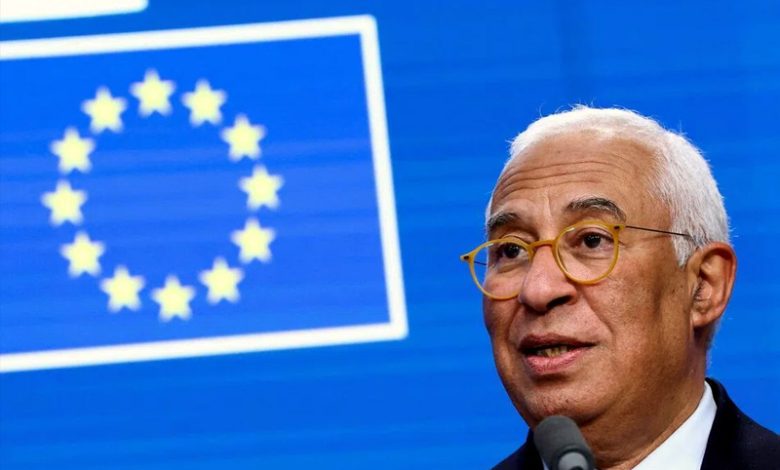
European Council President Antonio Costa arrived in India on January 25 as the European Union and New Delhi move closer to concluding a long-awaited free trade agreement, capping nearly two decades of negotiations between the two economic powers.
Costa and European Commission President Ursula von der Leyen are the chief guests at India’s 2026 Republic Day celebrations on January 26, ahead of an EU-India summit on January 27, where leaders aim to finalize what has been described as the “mother of all deals.”
“The summit will be an opportunity to build on the EU-India strategic partnership and further strengthen collaboration across key policy areas,” the EU Council said in a post on X.
India, now the world’s most populous country, is projected by the International Monetary Fund to become the world’s fourth-largest economy in 2026. The EU views India as a key future market, while New Delhi sees the bloc as a vital source of technology and investment to accelerate infrastructure development and job creation.
Von der Leyen said the agreement would give the EU its highest-ever level of market access in traditionally protected sectors of the Indian economy, adding that European exports to India are expected to double. “We will gain a significant competitive advantage in key industrial and agri-goods sectors,” she said.
Trade in goods between the EU and India reached €120 billion in 2024, nearly 90 percent higher than a decade earlier, alongside €60 billion in services trade, according to EU data.
Both sides see the pact as strategically important as they seek new markets amid US tariffs and Chinese export restrictions. EU foreign policy chief Kaja Kallas said the deepening partnership comes at a time when the rules-based international order faces growing pressure from conflict, coercion and economic fragmentation.
Despite progress, negotiators are still addressing key sticking points, including concerns over the EU’s carbon border tax and its impact on Indian steel exports.
The talks also unfold as India continues efforts to reduce long-standing reliance on Russian military equipment by diversifying imports and boosting domestic manufacturing.