Bangladesh’s Awami League Faces Political Oblivion after Ban and Hasina’s Exile

With Bangladesh heading to parliamentary elections on February 12, the once-dominant Awami League is absent from the ballot for the first time in decades, raising serious questions about the party’s survival after the fall of former Prime Minister Sheikh Hasina.
Hasina was forced into exile in India following a student-led uprising in 2024 that ended her 15-year rule. Her party was subsequently banned from political activity, and a special tribunal sentenced her to death in absentia over the killing of more than 1,400 protesters.
Across former Awami League strongholds, party posters have vanished and supporters are divided between boycotting the vote and reluctantly backing other parties. Many fear public anger over years of repression, enforced disappearances and political crackdowns carried out under Hasina’s government.
The upcoming election is being contested mainly by the Bangladesh Nationalist Party (BNP) and Jamaat-e-Islami — both of which were heavily persecuted during Hasina’s rule. Political violence continues to disrupt campaigning, with party leaders killed in recent weeks.
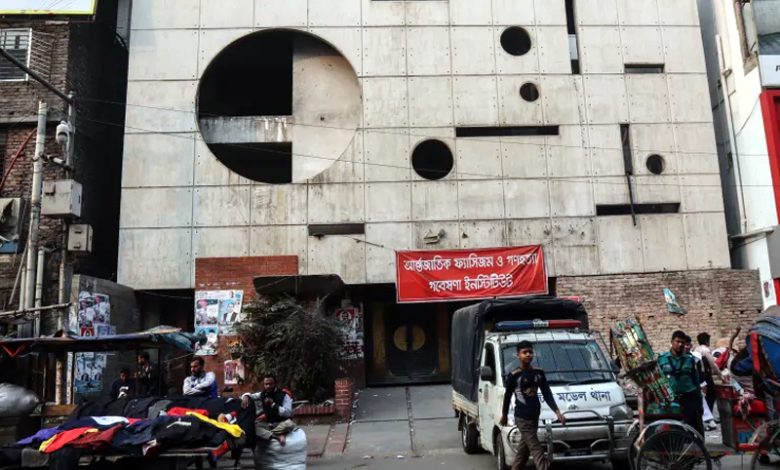
In Dhaka, the Awami League’s burned-out headquarters now stands abandoned, symbolising the party’s dramatic collapse. Street vendors report strong demand for BNP and Jamaat campaign items, while Awami League supporters largely keep silent.
Some loyalists insist the party will return, but analysts say its absence from the election may permanently weaken its grassroots base as voters gradually align with local power structures.
“The Awami League’s return to its former dominance is extremely difficult — almost impossible,” said political analyst Rezaul Karim Rony, pointing to internal divisions and widespread resentment over Hasina’s authoritarian rule.
Still, others argue the party’s deep cultural and historical roots could allow a future comeback, noting how Jamaat-e-Islami survived bans and executions of its leaders to re-emerge as a major political force.
A recent survey suggested the Awami League retains around 11 percent public support, though it remains politically inactive at home. Hasina has instead addressed supporters from India, drawing anger from Dhaka over New Delhi allowing the events.
US-based analyst Michael Kugelman described the coming vote as “an election with an asterisk” without the Awami League, while acknowledging that many Bangladeshis believe the party forfeited its legitimacy through years of repression and manipulated elections.
Despite its current collapse, Kugelman said dynastic parties in South Asia rarely disappear forever.
“For now, the Awami League is essentially dead in the water,” he said. “But political openings can emerge quickly — and a future comeback cannot be ruled out.”
For longtime supporters like boatman Ripon Mridha, the uncertainty is painful. “An election without the boat symbol doesn’t feel like a real election,” he said, reflecting a mood of loss across much of the party’s former base.