The United States has once again initiated an operation aimed at regime change in Iran. This is not the first time Washington has undertaken such a move; rather, it follows a long-established pattern.
To understand Iran’s contemporary political history, it is essential to view it not merely through the prism of the 1979 Revolution, but within the broader continuum of prior foreign interventions, oil politics, and the strategic maneuvering of the country’s internal religious leadership. The most consequential external intervention of the twentieth century occurred in 1953, when the democratically elected Prime Minister, Mohammad Mosaddegh, was removed through a covert operation.
 Mosaddegh had nationalized Iranian oil with the stated aim of directing its revenues toward public welfare, a move that undermined the interests of the Anglo-Iranian Oil Company. The United States’ Central Intelligence Agency, in coordination with Britain, orchestrated “Operation Ajax,” fomenting political unrest, organizing protests, and launching a media campaign that culminated in Mosaddegh’s dismissal and the restoration of Mohammad Reza Pahlavi with expanded powers. American documents later acknowledged this intervention.
 The episode entrenched a deep and enduring mistrust of foreign powers within the Iranian public consciousness.
The “Islamic” Revolution of 1979 was, in reality, a broad-based popular movement encompassing the leftist Tudeh Party of Iran, liberal intellectuals, students, and religious factions alike. However, the revolution was ultimately commandeered by Ruhollah Khomeini, who was in exile in France at the time and was widely regarded as an astute and calculating leader. Declassified U.S. government documents released in 2016 revealed that during the 1960s and again in 1979, representatives of Khomeini were in contact with American officials to clarify respective positions amid the anti-Shah movement. This disclosure created the impression that the revolutionary leadership and Western powers were not entirely disconnected; diplomatic channels, at least at certain levels, remained open.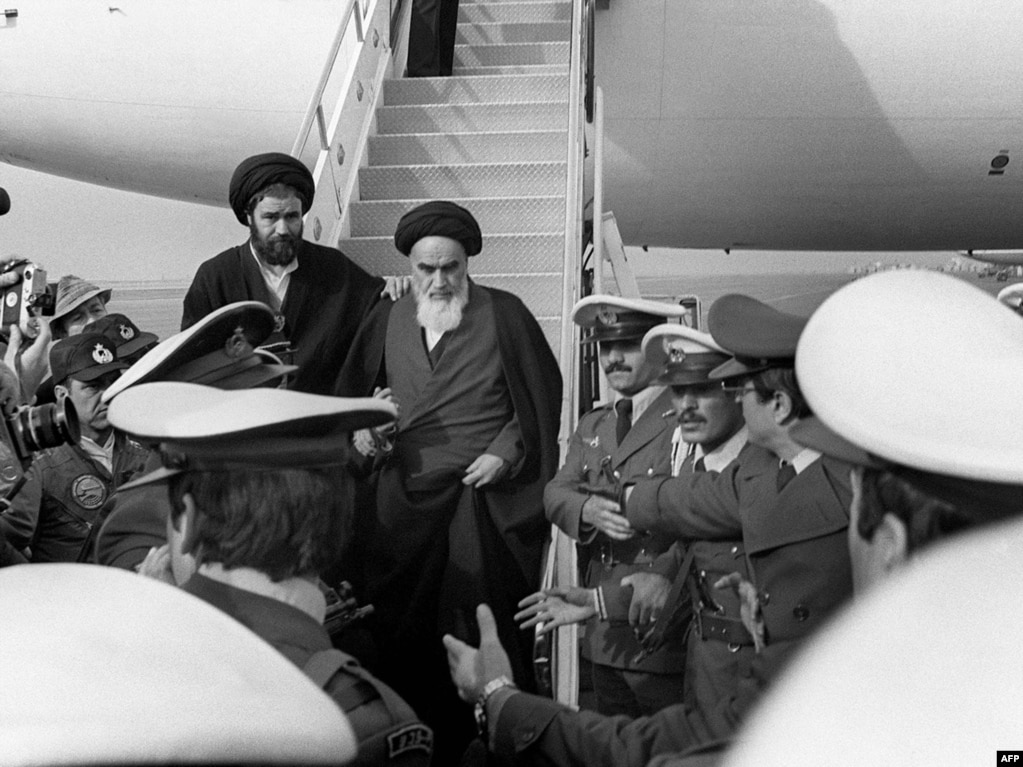
Upon assuming power, Khomeini enshrined the doctrine of Wilayat al-Faqih (Guardianship of the Islamic Jurist) into the constitution. In traditional Shiite thought, direct political rule during the occultation of the Imam was generally considered illegitimate. Khomeini reinterpreted this doctrine, advocating that a qualified jurist act as the Imam’s deputy, vested with absolute political authority. This principle fundamentally reshaped the state’s structure along religious lines. Critics argue that Khomeini was not only a religious authority but a highly strategic political actor who transformed religion into an instrument of state power. Over time, he systematically marginalized other revolutionary factions and consolidated authority within his inner circle.
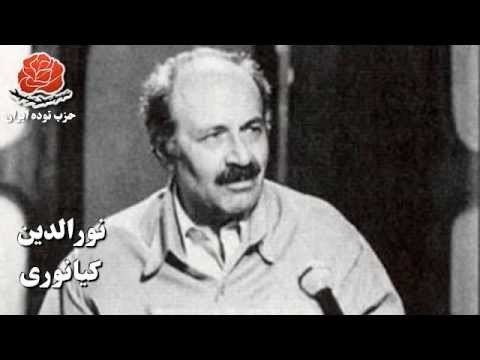 In the aftermath of the revolution, severe crackdowns were carried out against Khomeini’s opponents, liberal leaders and activists.The Secretary-General of the Tudeh Party, Noureddin Kianouri, was subjected to torture and, before his death, was paraded on state television in May 1983 to deliver forced confessions alleging that he was a Soviet agent plotting a communist revolution in Iran. Thousands of leftist activists were imprisoned, many spending years in detention centers and prisons. The mass executions of political prisoners in 1988 are described by human rights organizations as one of the darkest chapters in Iran’s history.
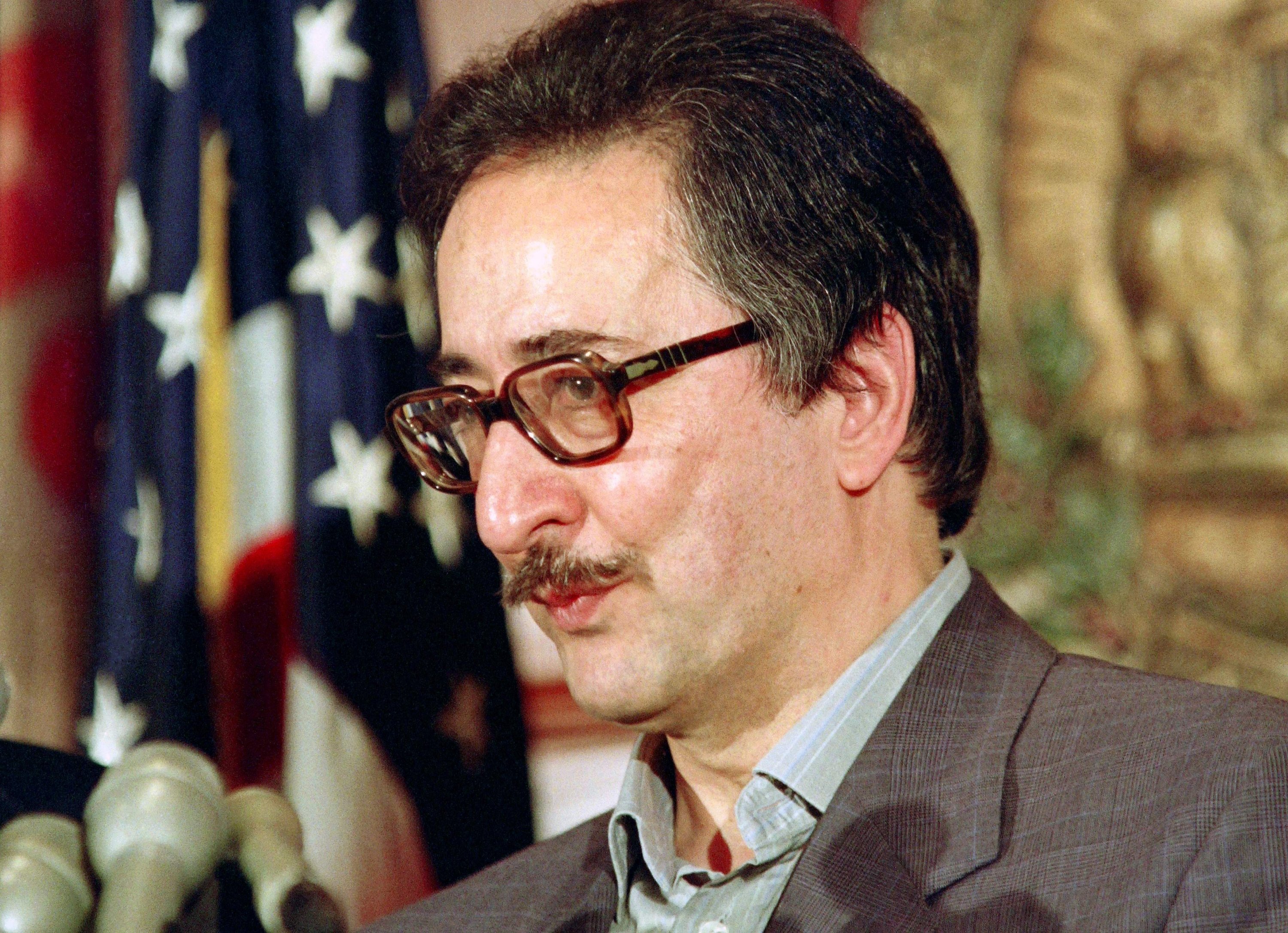 Following the fall of the Shah in 1979, Khomeini’s close associate and economist Abolhassan Banisadr assumed the presidency. Banisadr sought to steer Iran toward development and prosperity. However, influential conservative figures, including Akbar Hashemi Rafsanjani, believed Banisadr harboured ideological affinities with the Pahlavi era. Though he avoided the explicit language of modernity, they argued that his emphasis on science and technology betrayed such inclinations. Ultimately, conservatives revolted against him, forcing him into exile.
At the time, Iran had two globally respected liberal Shiite scholars: Dr Ali Shariati and Hossein Ali Montazeri. Followers of Shariati also faced state repression, despite his passing prior to the revolution.
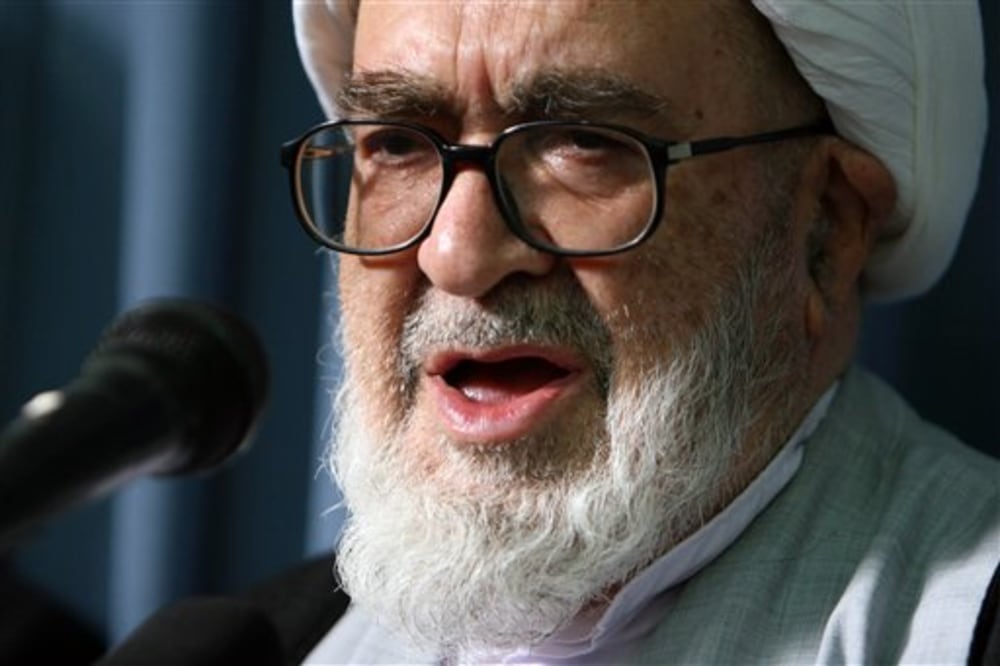 Montazeri’s case is particularly significant. Designated as Khomeini’s successor and Deputy Supreme Leader, he became an outspoken critic of the 1988 mass executions and broader human rights violations, as well as the doctrine of absolute authority vested in the Supreme Leader. Historical accounts and analyses suggest that Rafsanjani and Khomeini’s son, Ahmad Khomeini, persuaded Khomeini that Montazeri’s criticism posed a threat to the system. In 1989, Montazeri was removed from his position and placed under house arrest. He was succeeded by Ali Khamenei.
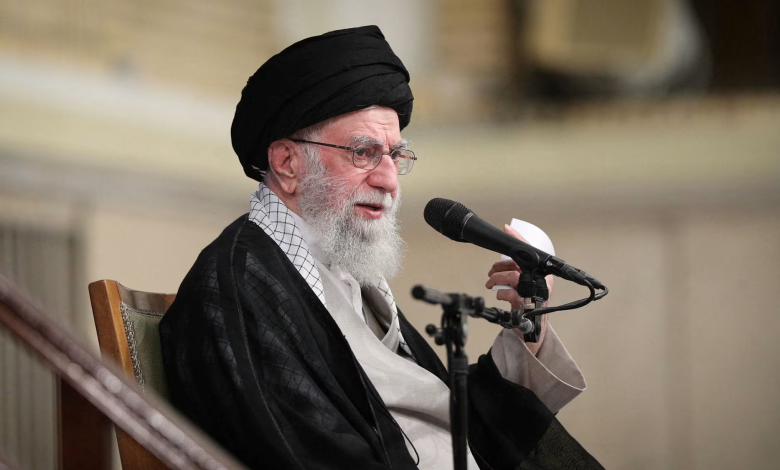
Khamenei’s political ascent began after the revolution, facilitated by Rafsanjani’s inclusion of him within Khomeini’s inner circle. In 1980, following Montazeri’s resignation, Khomeini appointed Khamenei as Tehran’s Friday Prayer Khateeb. Subsequently, Hassan Rouhani secured him his first significant executive role as Deputy Defence Minister in the interim revolutionary government.
 Elected president in 1981, Khamenei later became Deputy Supreme Leader. Upon Khomeini’s death in 1989, a constitutional dilemma emerged. The constitution required the Supreme Leader to be a Marja-e-Taqlid (Source of Emulation). It is the highest-ranking Shiite jurist (Grand Ayatollah) whose legal opinions and rulings are followed by the faithful in their religious practice. It is a rank considered second only to the Imams. Khamenei did not meet this criterion. Observers noted that he neither held the highest clerical rank nor fulfilled traditional religious qualifications for leadership. Consequently, the constitution was amended to remove the requirement of being a Marja-e-Taqlid, enabling his selection as Supreme Leader. Rafsanjani is widely credited with playing a pivotal role in this amendment. Critics labeled it extraordinary and constitutionally questionable, while supporters described it as a political necessity, though some senior ayatollahs opposed it.
According to researcher Phillip Smyth, Khamenei aspired to position himself as a leader of the broader Muslim world but was “not truly an Ayatollah in the fullest sense” and ranked below Ali al-Sistani in religious standing. Sistani, based in Najaf, Iraq, is widely regarded as one of the most senior Twelver Shiite authorities.
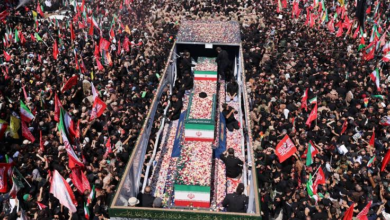
After consolidating power, Khamenei adopted a hardline approach. The Islamic Revolutionary Guard Corps was further strengthened. Regionally, Iran extended support to groups such as Hezbollah, Kataib Sayyid al-Shuhada, and Zainebiyoun Brigade. Tehran describes this network as the “Axis of Resistance,” while critics characterize it as a proxy war strategy. Oil revenues were channeled toward these regional engagements, with significant financial backing extended to militant groups across Syria, Jordan, and beyond. Critics argue that at a time when global integration was imperative, such policies gradually weakened Iran’s position. After 2023, Iran’s grip began to erode, eventually leading to heightened confrontation with the United States and culminating in Khamenei’s martyrdom. While he is regarded by supporters as a towering figure in the Muslim world whose loss cannot be replaced, critics contend that his rigid posture prevented him from capitalizing on historic opportunities in the manner of Khomeini, lacking the latter’s political acumen and strategic foresight.
Khamenei’s personality exhibited two distinct dimensions. On one hand, he was known for his literary inclinations, particularly his admiration for Persian poetry and the works of Allama Iqbal, and for patronizing poetry gatherings. On the other, he faced severe criticism for political repression, notably the crackdown following the 2009 elections and the curtailment of political freedoms. In 2019, he issued a fatwa declaring nuclear weapons forbidden under Islamic law,a position Iranian officials have repeatedly cited in international diplomacy. On February 25, 2026 President Masoud Pezeshkian reiterated that Iran has no intention of developing nuclear weapons, citing the Supreme Leader’s religious decree. He emphasized that while politicians may adjust their statements according to circumstance, a religious leader cannot contradict his faith or religious ruling.
Financial controversies surrounding Khamenei have frequently centered on “Setad Ejraiye Farman-e Emam,” which a 2013 Reuters investigation estimated to control assets worth billions of dollars. The Iranian government rejected the claim, describing it as a charitable and revolutionary institution. Allegations have also surfaced regarding the political and financial influence of his son, Mojtaba Khamenei, though no definitive, court-verified evidence of foreign personal assets is publicly available.
His tenure witnessed multiple protest movements, including the 1999 student protests, the 2009 presidential election, the 2011–2012, the 2017–2018, the 2018–2019 general strikes and protests, the 2019–2020, demonstrations following the death of Mahsa Amini, and the 2025–2026 protests. Journalists, bloggers, and others faced prosecution on charges of insulting the Supreme Leader, often accompanied by blasphemy allegations.
Thus, in Iran’s historical narrative, Ruhullah Khomeini is often portrayed as an extraordinary strategist who transformed religion into political power, constructing a multilayered religious, political, and military structure not easily dismantled, rendering regime change a formidable undertaking. Khamenei, by contrast, is viewed as a leader who preserved that system through security mechanisms and ideological rigidity. Yet critics argue that he did not possess the same political insight or popular appeal as his predecessor. Iran’s current political architecture is the cumulative product of these constitutional amendments, internal repressions, and external confrontations, and any future transformation will inevitably be understood within this historical context.