China controls the rare earths the world buys – can Trump’s new deals change that?

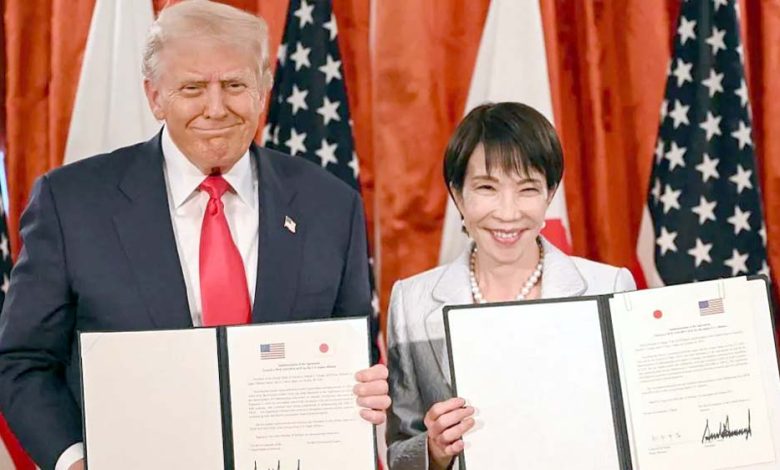
US President Donald Trump has signed a series of new rare earth supply agreements during his Asia visit, seeking to reduce America’s dependence on China, which currently dominates around 70% of global rare earth processing. The deals — with Japan, Malaysia, Thailand, Vietnam, and Cambodia — aim to diversify access to these vital minerals used in electric vehicles, defense technology, and electronics.
A key agreement with Japan includes plans for joint investment, stockpiling, and a “Rapid Response Group” to handle supply disruptions. The $8.5 billion partnership with Australia also focuses on building new processing capacity outside China. However, several Southeast Asian deals are non-binding MOUs, raising doubts about their durability amid political changes.
Experts caution that developing alternative supply chains will be slow and costly, as mining and refining rare earths outside China involve higher capital costs, stricter environmental regulations, and technical challenges. Environmental concerns are particularly significant, given the pollution and radioactive waste associated with rare earth processing.
While these new partnerships mark a strategic step toward diversification, China remains the dominant player, and catching up will take years. The US move strengthens Trump’s position ahead of his talks with Chinese President Xi Jinping, but Beijing still holds powerful leverage in the global supply chain — and Southeast Asian economies remain deeply tied to China.
In essence: Trump’s rare earth deals represent an important geopolitical shift, but breaking China’s near-monopoly will demand massive investment, time, and technological expertise before any real change materializes.