India appears to be entering a new phase in its relationship with Bangladesh as New Delhi reaches out to the Bangladesh Nationalist Party (BNP) ahead of national elections scheduled for February.
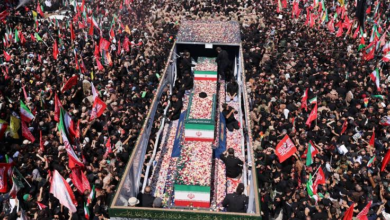
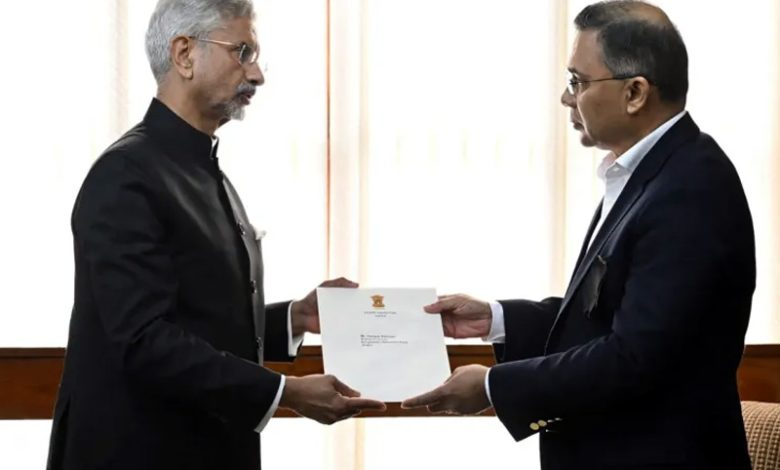
India’s Foreign Minister S Jaishankar met BNP leader Tarique Rahman in Dhaka on December 30, a day after the death of former Prime Minister Khaleda Zia. Dressed in black for the funeral, Jaishankar handed Rahman a condolence letter from Indian Prime Minister Narendra Modi and later wrote on X that Khaleda Zia’s “vision and values will guide the development of our partnership,” marking a notable departure from India’s historically strained ties with the BNP.
For decades, New Delhi viewed Khaleda Zia and her party with suspicion, largely due to the BNP’s alliance with Jamaat-e-Islami and its perceived closeness to Pakistan. Instead, India maintained strong ties with Sheikh Hasina and her secular Awami League. However, as Bangladesh prepares for elections following the July 2024 uprising that ended Hasina’s 15-year rule, both India and the BNP appear to be recalibrating their positions.
Jaishankar’s “very cordial” meeting with Rahman signaled the potential for a new chapter in bilateral relations, according to Humayun Kabir, Rahman’s foreign affairs adviser. Analysts say shifting political realities have pushed both sides toward engagement.
Relations between the two countries have deteriorated since Hasina’s ouster. Her exile in India, New Delhi’s refusal to extradite her despite a conviction in absentia, and rising anti-India sentiment in Bangladesh have strained ties. Visa services were temporarily suspended, and protests against India intensified amid political instability.
With the Awami League barred from contesting the elections, the BNP and a Jamaat-led coalition have emerged as frontrunners. While India remains wary of Jamaat’s politics, Rahman’s recent statements advocating minority protection and an inclusive Bangladesh have been more acceptable to New Delhi. Observers note that the BNP has also distanced itself from Jamaat, boosting India’s confidence.
Former Indian officials and analysts say Rahman’s rhetoric reflects political maturity developed during his years in exile and positions him as a comparatively pragmatic option for India. Yet, they caution that deep mistrust rooted in history remains.
BNP advisers stress that meaningful progress will require a clear break from past policies and a reset of India’s approach to Bangladesh. Rahman has pledged a “Bangladesh first” foreign policy, maintaining balance between regional powers while seeking improved ties with India.
As both countries navigate a volatile political landscape, analysts agree that engagement between India and the BNP is driven less by comfort and more by necessity, with the future of bilateral relations hinging on actions taken after the February elections.