The United States has approved the sale of Nvidia’s advanced artificial intelligence processors to China, the Department of Commerce confirmed on Tuesday, easing restrictions that had been imposed over national security concerns.
The decision allows Nvidia to ship its H200 chip — the company’s second-most-advanced AI semiconductor — to China, provided there is sufficient supply available in the US. The H200 had previously been restricted amid fears it could boost China’s technological and military capabilities.
President Donald Trump said last month that chip sales would be permitted to “approved customers” in China, with the US government collecting a 25 percent fee. Nvidia welcomed the move, with a company spokesperson telling the BBC it would support manufacturing and job creation in the United States.
According to the Commerce Department’s Bureau of Industry and Security, the revised export policy applies to Nvidia’s H200 processors as well as less advanced chips. Chinese buyers must demonstrate “sufficient security procedures” and are barred from using the chips for military purposes.
The H200 is one generation behind Nvidia’s Blackwell processor, currently regarded as the world’s most advanced AI chip, which remains prohibited from sale to China.
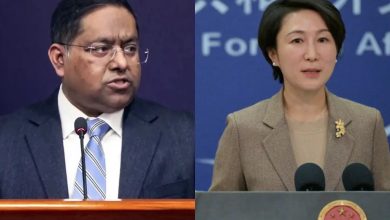
Reacting to the announcement, Chinese embassy spokesman Liu Pengyu said Beijing opposed the “politicisation and weaponisation of tech and trade issues”.
“We oppose blocking and restricting China, which disrupts the stability of industrial and supply chains,” he said. “This approach does not serve the common interests of both sides.”
Nvidia has found itself at the centre of intensifying US-China competition over artificial intelligence. Trump lifted earlier chip export restrictions last July but required Nvidia to hand over a share of its China-related earnings to the US government.
In response, Beijing reportedly instructed domestic tech firms to boycott Nvidia’s China-bound chips and prioritise locally produced semiconductors, a move aimed at strengthening China’s domestic chip industry. Analysts, however, say Chinese-made chips still lag behind US technology.
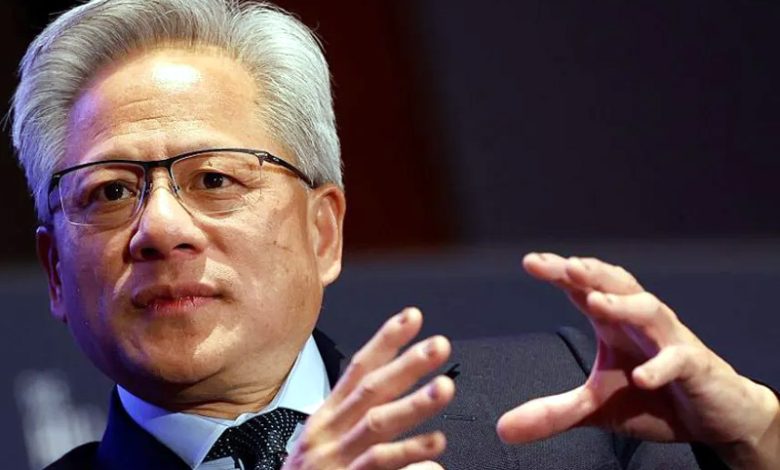
Throughout 2025, Nvidia CEO Jensen Huang lobbied US officials to allow sales of advanced chips to China, arguing that access to global markets is vital for maintaining US competitiveness. Some US officials remain concerned that the technology could bolster China’s military capabilities and undermine America’s AI leadership.
Semiconductor analyst Austin Lyons said Chinese firms are likely eager to secure H200 chips, at least until domestic alternatives improve, while Nvidia stands to benefit from renewed China revenue even at lower margins due to the US government’s cut.
Marc Einstein of Counterpoint Research noted that Trump’s proposal to take a share of Nvidia’s China sales is unusual and could set a precedent in future trade and tariff negotiations.
“It will be interesting to see if this tariff model expands to other sectors,” he said.