Trump-Xi Summit: Truce Brings Hope for Trade Relief, but Deep Divides Remain

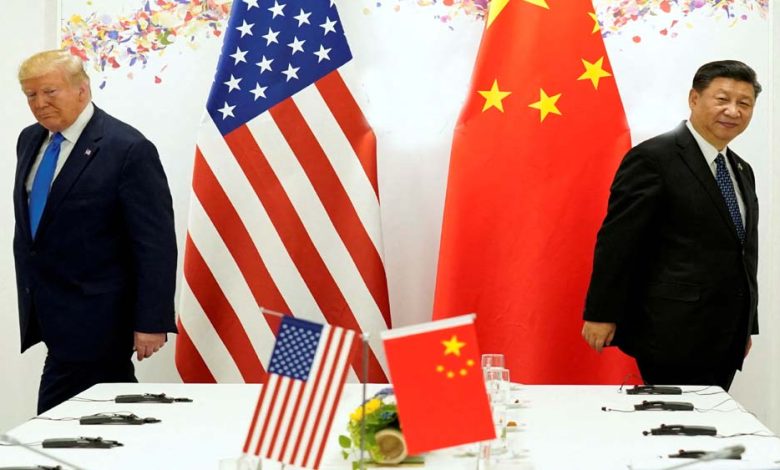
BUSAN — “Twelve out of ten,” declared U.S. President Donald Trump after his October 30 meeting with Chinese President Xi Jinping — their first face-to-face encounter since 2019. While not a full-fledged trade deal, the Busan talks mark a tentative thaw between Washington and Beijing after months of escalating tensions and the threat of a renewed trade war.
Both leaders appear to have left the table satisfied. For Trump, ever the dealmaker, it was a chance to claim a tangible “win” for the United States. Xi, meanwhile, gained breathing room for China’s exporters and a reprieve from further U.S. trade restrictions.
Under the understanding reached, China will resume purchases of American soybeans, assist Washington in addressing the fentanyl crisis, and delay its planned curbs on rare earth mineral exports — at least for a year. However, Xi stopped short of easing China’s own export limits on certain critical minerals, ensuring the U.S. cannot easily build strategic stockpiles.
For U.S. consumers, a modest reopening of trade could bring relief from higher prices that have stemmed from tariffs. With midterm elections looming next November, Trump is likely to frame this as a victory for American households and his economic stewardship.
China, for its part, benefits from lower U.S. tariffs and Trump’s decision to pause an expansion of the so-called “entity list,” which restricts trade with key Chinese firms — a long-standing Chinese concern. Still, as history has shown, these understandings can change swiftly.
Divergent Priorities
The contrasting tone from Beijing and Washington reveals much about each side’s priorities. China’s foreign ministry cast the talks as part of a “generational” strategy focused on stability and shared development. Trump’s messaging, by contrast, zeroed in on short-term deliverables — soybeans, fentanyl, and minerals — and the political boost they may bring ahead of U.S. elections.
The U.S. president is clearly eyeing domestic gains. His administration has been reshaping the electoral landscape while simultaneously seeking foreign policy “wins” to bolster approval ratings at home.
Yet technological rivalry remains a flashpoint. Washington continues to block China’s access to advanced technologies crucial to Beijing’s AI ambitions. Despite talk of potential chip purchases from U.S. firms, the export of Nvidia’s cutting-edge “Blackwell” AI chip remains off the table — a stance reinforced by concerns in Congress that easing restrictions could erode America’s tech advantage.
The Missing Topics: Taiwan and Human Rights
Notably absent from the discussion were two perennial issues: Taiwan and human rights. Neither side has indicated that Taiwan was raised — a surprise, given the island’s growing ties with U.S. and Israeli security networks.
In recent months, speculation had swirled that the U.S. might shift its position from “not supporting” Taiwanese independence to actively “opposing” it. But Trump confirmed after the meeting that Taiwan “did not come up.”
Equally striking was the omission of human rights — once a staple of U.S.-China dialogues. The silence marks a clear departure from past presidential engagements, underscoring a shift in Trump’s focus toward transactional outcomes rather than moral lecturing.
A Fragile Calm
The Busan meeting delivered what both sides needed: a pause in hostilities and a promise of stability. But it stopped far short of resolution. With the world’s two largest economies still divided over technology, security, and values, the apparent truce may prove temporary.
For now, though, both Trump and Xi can return home claiming victory — even if the peace they forged rests on uneasy ground.