TikTok Star’s Killing Exposes Deep-Seated Violence Against Women Across South Asia

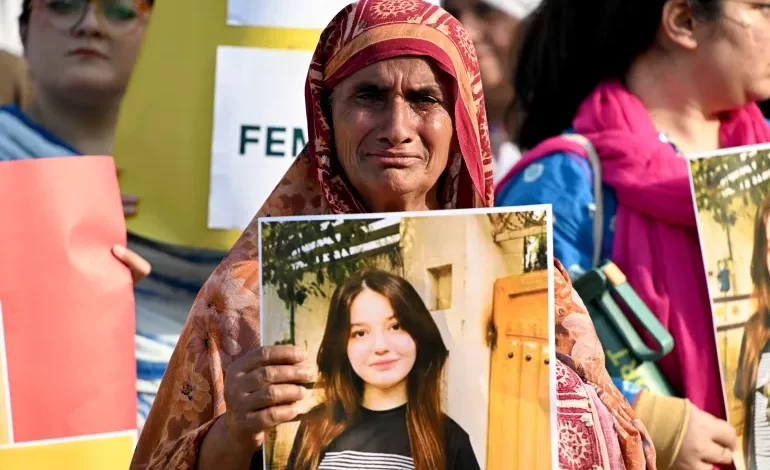
Islamabad / Dhaka / New Delhi — The courtroom indictment of Umar Hayat, accused of murdering teenage TikTok influencer Sana Yousaf, has reignited uncomfortable conversations about online visibility, gender-based violence, and impunity in South Asia.
Yousaf, 17, shot dead in her home in Islamabad after rejecting repeated proposals, has become another tragic figure in a growing list of young women from across the region who faced real danger simply for being seen and heard. Prosecutors say Hayat entered her home, shot her at close range, and attempted to destroy evidence by taking her phone. He has pleaded not guilty. The next court session is set for September 25.
Yousaf had amassed over one million followers across social platforms. Her death has provoked nationwide protests, with rights groups warning that visibility provides both opportunity and exposure to grave risk — particularly in societies where rejecting advances, asserting independence, or simply being active in the public eye can lead to violence.
Regional Similar Cases
Two verified cases from neighbouring countries show similar patterns of violence intersecting with women’s public profiles:
Bangladesh – The Murder of Raima Islam Shimu (2022): A well-known actress, producer, and director in Bangladesh, Shimu was reported missing and later found murdered. Her husband, Sakhawat Ali Nobel, and a friend were arrested. Authorities say Nobel strangled her amid marital strife, then disposed of her body. The case was investigated, confession statements were recorded, forensic evidence collected (including identification of the body near a bridge in a sack), and the matter has been covered extensively in credible local media.
India – The Case of Siya Kakkar (2020): Siya Kakkar, aged 16, was a TikTok star in New Delhi. Police and media reported that she died by suicide at her residence. Authorities seized her mobile phone and have looked into her recent behaviour; reports say she had shown signs of depression. While there are speculative claims about threats she may have received, those claims were not conclusively verified in the public record.
“Digital platforms give young women opportunities to be seen and heard, but that visibility also comes with risks in patriarchal cultures,” said women’s rights activist Nighat Dad, who runs Pakistan’s Digital Rights Foundation.
Rights groups argue that Yousaf’s death is not an isolated tragedy but part of a broader crisis of gender-based violence in South Asia, where so-called “honour killings” and online abuse continue despite reforms and awareness campaigns.
Her case is now closely watched in Pakistan, where campaigners are pressing for stronger protections for women both on and offline, warning that without accountability, more lives could be lost in the crosshairs of digital fame and societal norms.