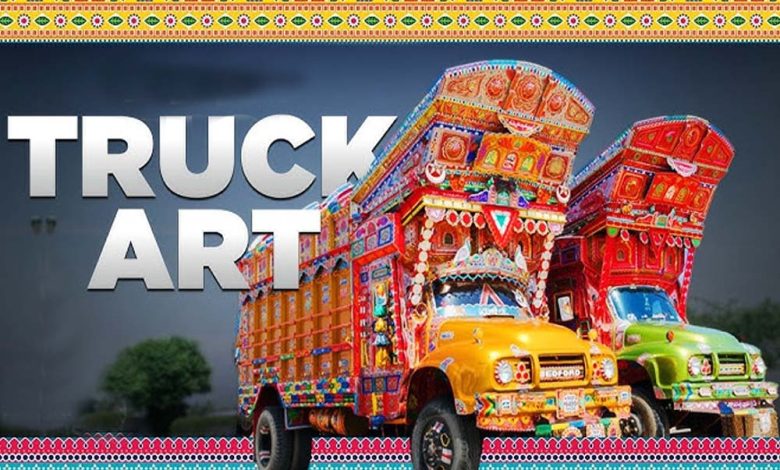
South Asia is renowned for its vibrant truck art—an eye-catching tradition in which trucks are adorned with bold colors, intricate patterns, and detailed imagery. On the region’s roads, it is often difficult to spot a vehicle not dressed in this expressive visual style. What makes this artistic tradition particularly striking is that it originates from the working class and the poor, offering a unique window into the relationship between aesthetics and hardship.
Origins
Truck art began in the 1920s, when Bedford trucks imported from Great Britain started transporting goods across the region. Drivers began decorating their vehicles with vivid motifs meant to reflect the “inspirations and imagination of the people at large,” as well as the personal bond between truck owners and their vehicles. This practice laid the foundation for what is now a widespread cultural phenomenon across South Asia. Today, truck art continues to feature powerful cultural and political symbols meaningful to the drivers.
Poverty within the World of Asian Truck Art
Countries where truck art is most common also tend to face high poverty rates. Pakistan—famous for its elaborately decorated trucks—has a poverty rate of 22%. For the working-class painters behind these vibrant designs, truck art is often not a choice but a necessity. Many take up the profession to survive, producing elaborate murals that help drivers personalize their vehicles.
Within these impoverished communities, aesthetics become a tool for reclaiming dignity amid hardship. As one account describes, the aesthetic expressions of the underprivileged stem from “making do with what is available, or something old and/or something used or even shabby.”
A Form of Hope
Even as drivers and painters live under challenging conditions, truck art serves as a symbol of hope. Many describe the images painted on trucks not as reflections of their current lives, but of the futures they aspire to. Despite economic hardship, the art becomes a means of imagining something better.
Today, South Asian truck art enjoys global recognition for its beauty and intricacy. What is less widely known, however, is its deeper origin: a creative expression born from poverty, resilience, and the desire to build a better life.
Sara is based in San Jose, CA, USA and focuses on Business and New Markets for The Borgen Project.