Bangladesh Sees Record Surge in HIV Infections, Nearly 1,900 New Cases in a Year

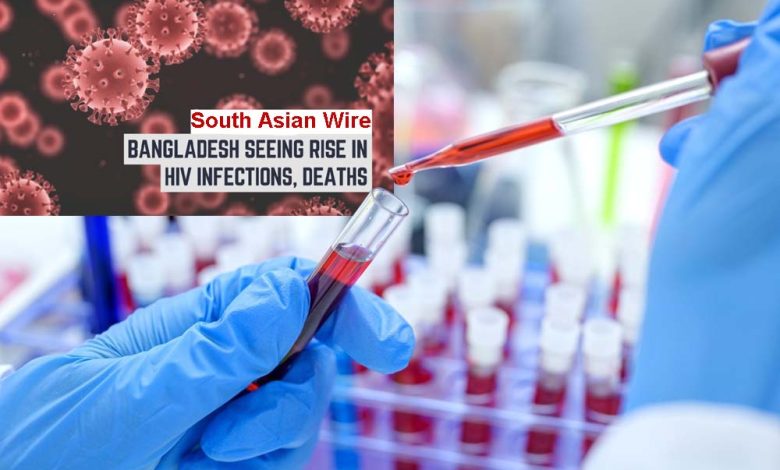
Bangladesh has reported 1,891 new HIV cases between November 2024 and October 2025—the sharpest annual increase in recent years—raising alarm among public health officials. Infections are climbing both in the general population and among Rohingya refugees in Cox’s Bazar.
The figures were released by National AIDS/STD Control Program (NASP) Director Dr Md Khairuzzaman during a national briefing on World AIDS Day 2025.
New Cases and Deaths
According to NASP data, 1,891 new HIV infections were recorded in the 12-month period, while 254 AIDS-related deaths were reported nationwide. This brings Bangladesh’s cumulative AIDS death toll since 1989 to 2,666, underscoring the steady expansion of the epidemic even as the country remains low-prevalence.
Health officials said the surge reflects expanded testing as well as emerging transmission patterns linked to mobility, risky sexual behaviour, and gaps in community-level prevention.
Overall Burden and Key Populations
Bangladesh is estimated to have around 17,480 people living with HIV in 2025, with national adult prevalence remaining below 0.01%. However, infection rates continue to be disproportionately high among key populations, especially people who inject drugs (PWID) and men who have sex with men (MSM).
Experts warned that although Bangladesh is still categorised as low-prevalence, rising cases in these groups signal widening transmission networks that could eventually spill into the broader population. They called for expanded harm reduction, condom promotion, and anti-stigma treatment services.
Rohingya Refugees at Heightened Risk
Of the new infections, 217 were reported among Rohingya refugees—officially designated as Forcibly Displaced Myanmar Nationals (FDMN)—living in the densely populated Cox’s Bazar camps.
Officials linked the higher burden to severe overcrowding, scarce formal healthcare, and overstretched HIV programmes. Aid workers noted that reduced donor funding has shrunk testing coverage and community outreach, leaving many cases likely undetected.
Youth and a Widening Geographic Spread
While adults aged 25–49 remain the most affected, NASP data show a clear rise in infections among 20–24-year-olds. Officials said this reflects growing vulnerabilities among young adults—university students, new workers, and urban migrants—who often lack access to reliable information and confidential testing.
Experts added that youth-friendly testing centres are limited, leading many young people to be diagnosed only after symptoms develop.
New infections are also emerging in more districts, showing that HIV is no longer confined to traditional urban hotspots. Yet only 23 districts currently have functional testing facilities, and many cases are detected only when patients seek treatment for opportunistic infections.
Systemic Gaps in the HIV Response
The NASP briefing highlighted longstanding structural challenges, including insufficient HIV services in public hospitals, weak coordination between government agencies and community groups, low community awareness, and persistent stigma against people living with HIV.
Officials warned that unless district-level services expand and community engagement strengthens, Bangladesh risks seeing infections and deaths continue to rise despite the country’s low overall prevalence.
Public health leaders urged sustained government funding and renewed donor support to prevent the current surge from evolving into a long-term escalation.