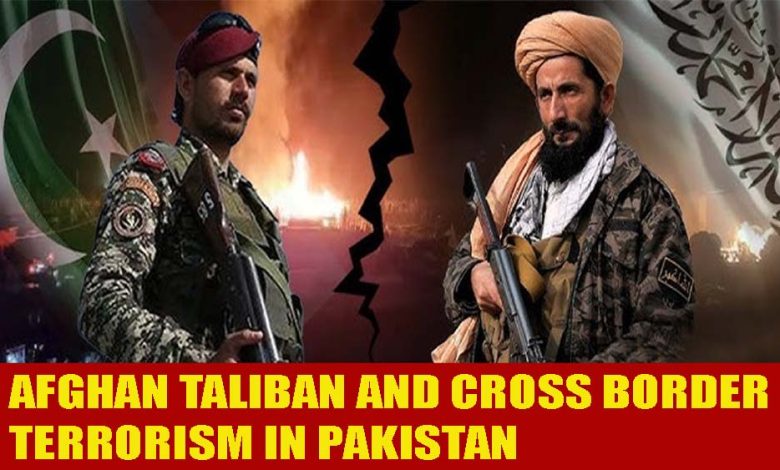
Pakistan is facing a severe resurgence of terrorism, with 2025 on track to become the country’s deadliest year in over a decade, according to the Center for Research and Security Studies (CRSS). The surge in violence — mainly in Khyber Pakhtunkhwa and Balochistan — is closely linked to cross-border infiltration from Afghanistan since the Taliban’s return to power in 2021.
A new report by the Institute of Regional Studies (IRS) provides strong evidence that Afghan nationals now make up 70–80% of Tehreek-e-Taliban Pakistan (TTP) fighters, compared to less than 10% before 2021. The report accuses the Taliban regime of facilitating movement, training, and financing of these militants, effectively making Afghanistan a hub of anti-Pakistan militancy. Islamabad plans to use this evidence to raise the issue at UN, OIC, SCO, and other multilateral forums.
The Taliban’s support for the TTP is seen as ideological and strategic — maintaining leverage over Pakistan, countering the Islamic State Khorasan Province (ISKP), and preserving internal unity. However, this comes at the cost of Pakistan’s stability.
Experts urge Pakistan to adopt a phased counterterrorism strategy:
- Secure borders through fencing, surveillance, and strict engagement rules.
- Disrupt internal networks, sleeper cells, and extremist sympathies.
- Build long-term ideological resilience through education and community outreach.
The report also warns that Afghan refugees in Pakistan could be exploited by militant groups, complicating security management along the Durand Line, which Kabul still refuses to recognize as a permanent border.
Previous economic and diplomatic pressure — such as trade fees and talks — have failed to compel Taliban cooperation. As Kabul grows closer to India, Pakistan may need to rethink its leverage strategy.
The brief recommends internationalising intelligence evidence and coordinating with global partners to isolate the Taliban diplomatically, while avoiding actions that alienate border communities.
In essence, Pakistan’s path forward lies in combining tighter border control, smarter diplomacy, and grassroots deradicalisation to curb the threat of Taliban-backed cross-border terrorism and safeguard long-term internal security.