Block Indian transit if Ganges water rights denied: Nahid calls for fresh Farakka march

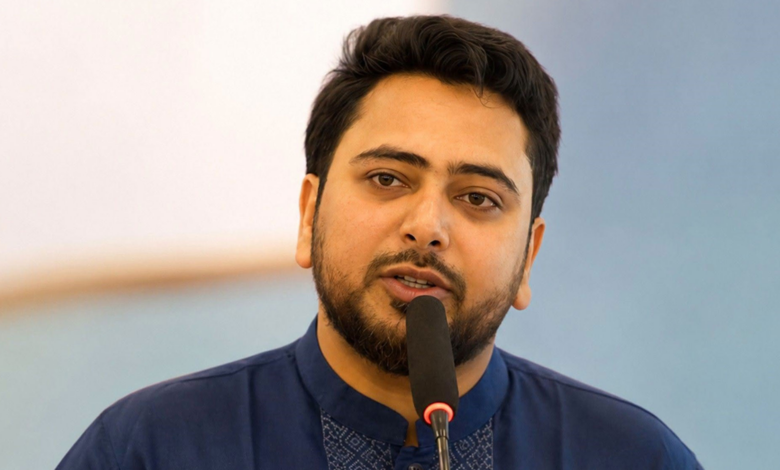
DHAKA — National Citizen Party (NCP) Chief Nahid Islam issued a stern ultimatum to New Delhi on Sunday, warning that Bangladesh should block all Indian goods and transit concessions unless the country secures its equitable share of Ganges River waters.
Addressing a national youth conference organized by Jatiya Jubo Shakti at the Krishibid Institution Bangladesh in Khamarbari, the political leader signaled a readiness to mobilize public action as the 1996 Ganges Water-Sharing Treaty approaches its expiration in December.
“If water does not flow into Bangladesh, Indian goods will not enter Bangladesh. There will be no corridors, no transit,” Islam said, advocating for a tough diplomatic posture.
Invoking the historic 1976 Farakka Long March led by veteran politician Maulana Abdul Hamid Khan Bhashani, Islam asserted that the NCP is prepared to organize a similar mass movement to safeguard the nation’s water rights and preserve downstream river navigability. He emphasized that future bilateral relations with India must strictly depend on equitable water distribution and border security.
During his address, the NCP leader also raised transparency concerns regarding broader foreign policy matters. He called for the public disclosure of all agreements signed with Japan regarding the Matarbari deep-sea port project and insisted that all major international treaties undergo rigorous parliamentary scrutiny.
Turning to domestic affairs, Islam directed criticism toward the administration, demanding the immediate establishment of a Constitution Reform Council to execute the July National Charter in alignment with the February referendum outcome. He dismissed the government’s current parliamentary committee on constitutional amendments as inadequate.
“Deliberations were concluded prior to the election. There is nothing left to debate—now is the time for execution,” Islam stated, warning authorities to “implement the verdict or step down.”
He further targeted the ruling Bangladesh Nationalist Party (BNP), accusing it of treating the historic July mass uprising as a routine transfer of power rather than a catalyst for fundamental structural reform. Failing to address systemic discrimination, he warned, could lead the current administration toward the same fate as the ousted Awami League government.
Focusing on economic performance, Islam questioned progress on election promises to generate 10 million jobs within 18 months, while alleging partisan interference in Public Service Commission appointments. Reminding attendees that the July movement originated over meritocratic principles rather than quotas, he urged systemic support for young entrepreneurs through accessible credit, training, and state backing.
Addressing ongoing labor unrest in the ready-made garment (RMG) sector, Islam expressed solidarity with workers demanding higher wages and condemned police crackdowns on demonstrations. Highlighting that the current minimum wage of Tk 12,500 remains unsustainable amid persistent inflationary pressures, he urged state authorities to engage in constructive dialogue.
“We do not want to see the blood of another worker shed in Bangladesh,” Islam warned.
The NCP reiterated its demands for the immediate resignations of both the Home Minister and the Energy Minister, citing failures to stabilize public safety and manage rising fuel prices. Islam announced that the party will launch nationwide mobilization programs throughout November and December to enforce the unfulfilled mandates of the July uprising.