18 Million More Women and Girls in South Asia at Risk of Anemia by 2030, Warn SAARC, UNICEF and WHO

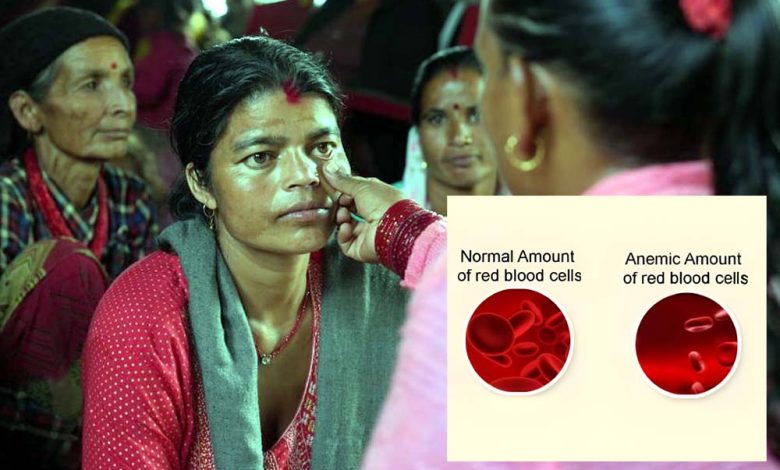
COLOMBO: Governments across South Asia are being urged to take swift and unified action to combat anemia, as the region faces the world’s highest burden of the condition among adolescent girls and women. Nearly half of all women and girls in South Asia are anemic, and experts warn that without urgent measures, an additional 18 million could be affected by 2030—adding to the current 259 million cases.
In an unprecedented joint effort, governments from seven South Asian countries have convened to accelerate regional action. From 9–11 July, SAARC, the Government of Sri Lanka, UNICEF, WHO, and other partners are hosting the Nourishing South Asia | Reducing Anemia in Adolescent Girls and Women regional conference in Colombo. The event brings together more than 100 policymakers, researchers, health specialists, and development leaders to build a unified regional framework and national action plans. The conference will also launch the South Asia Anemia Academic Alliance to strengthen scientific leadership and fill critical research gaps.
“Sri Lanka continues to face Anemia as a public health challenge, with 18.5 per cent of women of reproductive age and 14.6 per cent of children under five affected,” said Dr. Harini Amarasuriya, Prime Minister of Sri Lanka. She noted that Sri Lanka is expanding its nutrition programme, especially in high-burden districts, and emphasized the government’s commitment to scaling these efforts nationwide in partnership with UNICEF, WHO, and other UN agencies.
Anemia occurs when the body lacks enough healthy red blood cells to carry oxygen, leaving individuals feeling weak, fatigued, and more vulnerable to illness. For girls and women, heavy menstrual bleeding and pregnancy further heighten the risks. During pregnancy, Anemia endangers both mother and baby.
But experts stress that Anemia is more than a medical issue—it signals deeper problems, including poor nutrition, infections, and structural inequality. The poorest communities, especially women and children, are most severely affected, perpetuating cycles of poor health, malnutrition, and lost economic opportunities.
“In South Asia, our young people and mothers are at the centre of our development future,” said Md. Golam Sarwar, SAARC Secretary General. “Ensuring that they are healthy, nourished, and empowered is a strategic investment in our societies.”
Despite existing national policies, health systems across the region face significant obstacles. Weak infrastructure, difficulty reaching remote communities, limited programme coverage, and insufficient data collection continue to hinder progress.
“This is a clarion call,” said Sanjay Wijesekera, UNICEF Regional Director for South Asia. “When half of the region’s adolescent girls and women are anaemic, health systems are failing them. We know what works. Now governments must scale up solutions.”
Anemia’s impact extends far beyond women and girls. It is a leading contributor to low birth weight, with South Asia accounting for 40 per cent of global cases. Anaemic children often struggle with growth, learning delays, and increased illness.
“Anemia is preventable and treatable,” said Saima Wazed, WHO Regional Director for South-East Asia. “Its causes—nutrition deficits, infections, chronic disease, and pregnancy complications—are well known. Addressing Anemia is not only a health investment but an economic and social one.”
Lasting progress has remained elusive for two decades, though notable gains are emerging. Nepal has reduced Anemia prevalence among women of reproductive age from 41 per cent in 2016 to 34 per cent in 2022 by investing in frontline workers, prioritizing equity, integrating health and nutrition programmes, and adopting multi-sectoral strategies. WHO projects that by 2030, Anemia among Nepali women will fall to 27 per cent, with the sharpest decline expected in Karnali Province.
India and Pakistan also report promising local outcomes where empowered health workers and data-driven programmes are active. Bangladesh is integrating adolescent nutrition into school and social service systems. Sri Lanka has also made solid progress, with Anemia rates among women under 25 at 17 per cent in 2022.
Anemia is both a health and economic burden, costing South Asia an estimated $32.5 billion annually. Yet every $1 invested in maternal Anemia interventions yields a $9.50 economic return.
Ending Anemia requires leadership and cooperation. While governments must drive national strategies, communities, schools, families, and frontline workers all play a central role. With stronger health systems, better-trained workers, improved data use, and coordinated multi-sectoral action, girls and women across South Asia can realise their full potential—strengthening communities and fueling long-term economic growth.