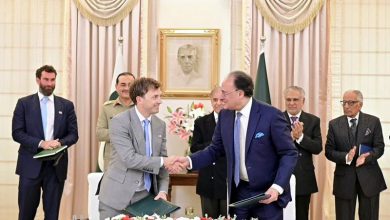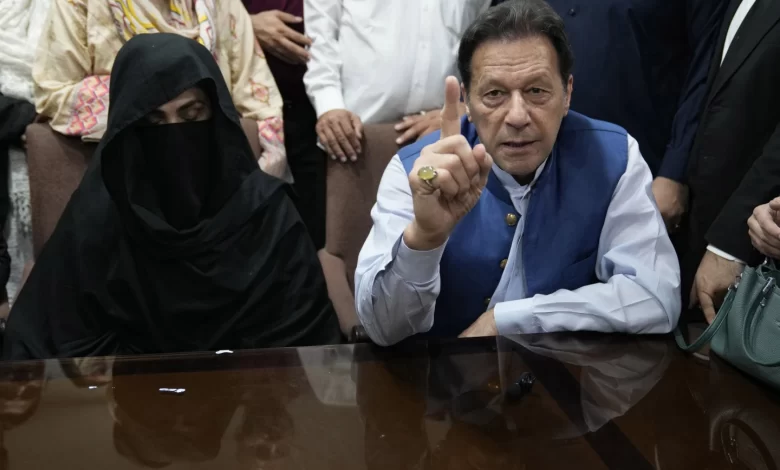
In the shadowy corridors of power, where whispers hold the weight of law, emerges a tale of corruption, manipulation, and betrayal. At the center of this intricate web lies the Bahria Town saga—a case that intertwines real estate tycoons, political elites, and judicial complicity. This investigation delves into the startling events surrounding Malik Riaz, Bahria Town, the UK’s National Crime Agency (NCA), and former Pakistani Prime Minister Imran Khan.
The UK Settlement: A Curious Deal
In a peculiar agreement, Malik Riaz proposed a reduction in financial penalties. Facing a potential loss of £500 million held by the UK’s NCA, he offered a compromise: accept £190 million and transfer the sum to Pakistan’s government under the veil of confidentiality. The NCA, skeptical yet pragmatic, reached out to the Pakistani government, offering two options: pursue the full £500 million through legal channels or settle for £190 million.
Prime Minister Imran Khan swiftly opted for the latter. His government accepted the deal, ensuring cabinet approval under questionable circumstances. Despite objections from ministers such as Shireen Mazari and Asad Umar, who insisted on reviewing the agreement, Khan pushed it through. The funds were deposited into a Supreme Court account linked to Malik Riaz’s prior penalties—specifically for illegal land acquisitions in Karachi under Bahria Town.
The Financial Sleight of Hand
The decision raised immediate concerns. Instead of directing the recovered £190 million to the national treasury, Khan’s government transferred the funds to an account intended to settle Malik Riaz’s pre-existing penalties. This maneuver effectively cleared Riaz’s debts using public money. The public’s rightful claim to these funds—originally seized as proceeds of crime—was sacrificed on the altar of political expediency.
Malik Riaz, in turn, allegedly rewarded Khan and his wife, Bushra Bibi, with land, cash, and other valuables. Riaz himself lamented being ensnared in a trap initially set by Khan but emerged significantly wealthier, with his £310 million liability reduced to a fraction.
The Backdrop: Bahria Town’s Legal Troubles
The Bahria Town scandal originates from Riaz’s acquisition of vast swathes of land in Karachi and other regions at minimal prices, often through coercion or irregularities. When the matter reached Pakistan’s Supreme Court, the court imposed a penalty of PKR 460 billion, payable in installments. These payments were to be deposited in a dedicated Supreme Court account overseen by an implementation bench.
However, the payments slowed and eventually ceased. During this period, the UK’s NCA confiscated Riaz’s assets, marking the beginning of the controversial settlement saga. The decision to funnel the UK settlement into the Bahria Town penalty account remains a contentious issue, raising questions about judicial oversight and the role of then-Chief Justice Saqib Nisar and other judges.
Questions That Demand Answers
This convoluted tale leaves a trail of unanswered questions:
- Why did the Supreme Court accept a settlement allowing payments into its account instead of the national treasury?
- Why was the penalty payment halted, and what role did the judiciary play in failing to enforce compliance?
- What became of the funds deposited into the Supreme Court account, and how were they utilized?
- What measures, if any, were taken to hold Malik Riaz accountable for his illegal activities?
- What role did Imran Khan’s government play in enabling this financial shell game?
These questions lie at the heart of understanding not just the Bahria Town scandal but also the broader failure of governance, accountability, and justice.
The Bigger Picture
The case extends beyond individuals. It underscores systemic flaws where political leaders exploit their positions, real estate moguls manipulate the law, and judicial oversight is seemingly compromised. While Imran Khan faces legal scrutiny, the focus must expand to include all actors complicit in this saga—from Malik Riaz to judicial enablers.
As the drama unfolds, the public must demand transparency and accountability. The story of Bahria Town is not just about stolen millions; it is about stolen trust—a trust that must be reclaimed if Pakistan is to rise above the murky waters of corruption.