Cancer Rates Surge Among Children and Young Adults in Nepal, Doctors Warn

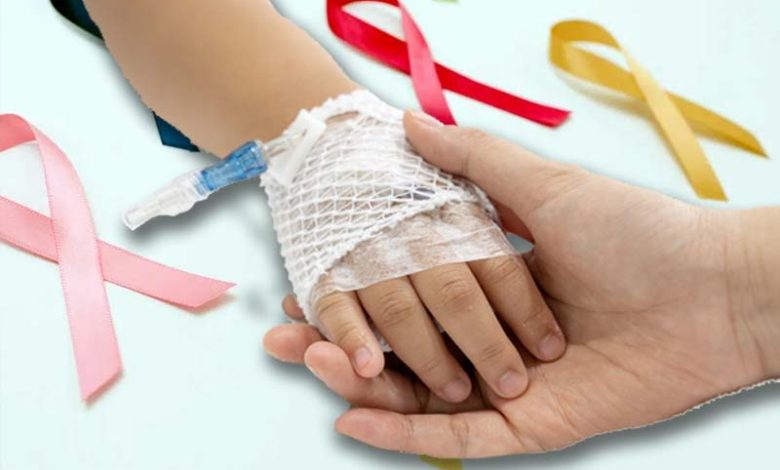
Cancer cases are rising sharply among children and young people in Nepal, with hospitals reporting a growing number of patients in their teens, 20s, and early 30s.
At BP Koirala Memorial Cancer Hospital in Chitwan, nearly all 37 beds reserved for children are occupied most of the time, pointing to what doctors describe as an alarming increase in childhood cancer.
“The number of young cancer patients has increased significantly in recent years,” said Dr Shivaji Poudel, the hospital’s executive director, noting that no detailed studies have yet been conducted to identify the causes behind the trend.
While the total number of cancer patients nationwide remains unclear, hospital data shows a sharp rise in cases. More than 210,000 patients sought treatment at BP Koirala Hospital in the 2024–2025 fiscal year, up from 138,000 the previous year — a 52 percent increase. Over 7,000 of these were newly diagnosed cases, while the rest were patients undergoing treatment or cancer survivors.
Doctors are particularly concerned that most patients arrive at hospitals in advanced stages of the disease, when chances of recovery are much lower.
International data also highlights the growing burden. The Global Cancer Observatory estimated 22,008 cancer cases and 14,704 deaths in Nepal in 2022, with nearly 45,000 people diagnosed in the five years leading up to that year.
Experts point to poor access to testing, low awareness of cancer symptoms, and limited diagnostic facilities as major reasons for delayed treatment. Sedentary lifestyles, unsafe food, rising pesticide use, and changing habits are also believed to be driving the increase in cancer among younger populations.
“Cancers that typically appear in people in their 50s in Western countries are now being seen in Nepalis in their 30s and 40s,” said Dr Sudip Shrestha of the Nepal Cancer Hospital and Research Center. “This is extremely concerning.”
Breast and lung cancer have overtaken cervical cancer as the most common cancers in Nepal. Among men, lung cancer leads, followed by stomach and liver cancers, while cancers of the throat, nose, ear, and colon are also on the rise.
Although the government has announced free cervical cancer screening at public health facilities, implementation remains limited, and specialized treatment is available at only a handful of hospitals. As a result, many patients travel to India for care.
Health experts stress that early detection can save lives and are calling for nationwide awareness campaigns and expanded services at provincial hospitals.
The government has begun rolling out the HPV vaccine for 10-year-old girls to prevent cervical cancer and provides financial assistance to cancer patients to help cover treatment costs, but doctors say far more needs to be done to curb the growing cancer crisis.