Deadly 6.3-Magnitude Earthquake Strikes Northern Afghanistan, Killing Seven and Injuring 150

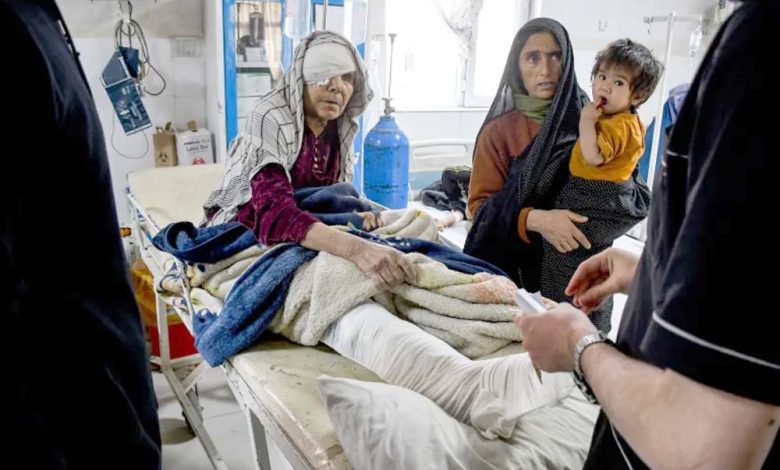
A powerful 6.3-magnitude earthquake struck northern Afghanistan early Monday, killing at least seven people and injuring more than 150 others, local officials confirmed.
According to the United States Geological Survey (USGS), the quake hit at 12:59 a.m. local time (20:29 GMT) at a depth of 28 kilometers (17 miles) near the city of Mazar-i-Sharif, one of Afghanistan’s largest urban centers.
Samim Joyanda, spokesperson for the Ministry of Public Health in Samangan province, told Reuters that “a total of 150 people injured and seven martyred [dead] have been reported and transferred to health centers as of this morning,” based on hospital data.
The USGS issued an orange alert via its PAGER system, warning that significant casualties and widespread damage were likely, and that the event could require a regional or national emergency response.
In Balkh province, officials reported that part of the Blue Mosque, a centuries-old shrine in Mazar-i-Sharif, had been damaged. Residents, jolted awake by the tremor, rushed into the streets fearing their homes might collapse, according to eyewitnesses and AFP reporters at the scene.
The latest quake adds to a series of devastating earthquakes that have struck Afghanistan in recent years. In August 2024, a 6.0-magnitude quake in the country’s east killed more than 2,200 people, becoming the deadliest in recent history. Powerful earthquakes also hit Herat province in 2023 and Nangarhar province in 2022, leaving hundreds dead and thousands homeless.
Located along the Hindu Kush mountain range, Afghanistan sits at the collision point of the Eurasian and Indian tectonic plates, making it one of the most earthquake-prone regions in the world. Since 1900, the country’s northeast has experienced at least a dozen quakes exceeding magnitude 7.0, according to the British Geological Survey.
The disaster comes as Afghanistan struggles with overlapping crises — decades of war, deep poverty, drought, and the forced return of millions of Afghans from neighboring Pakistan and Iran. Weak infrastructure and poorly constructed homes continue to exacerbate the toll of natural disasters, leaving communities highly vulnerable each time the ground shakes.